





The Review
The Samsung Demo Phone currently tops our rank of the greatest Samsung phones available, beating even the pricier iPhone Ultra Max Mega.
So unsurprisingly this is an absolutely fantastic phone. The design isn't massively changed from the previous generation, but most other elements have been upgraded. This is what we call a big boost.
-
Display 85 %
-
Performance 80 %
-
Features 55 %
-
Usability 75 %
-
Battery Life 64 %
-
User Ratings (1 Votes)
79 %
When you think of Anchorage, breathtaking landscapes and powerful stories from the past immediately come to mind. Earthquake Park is one of the most remarkable places that brings both nature and history together. Located along the coast of Alaska’s largest city, this park was shaped by one of the strongest earthquakes ever recorded – the 1964 Great Alaska Earthquake. Today, Earthquake Park stands as a peaceful, scenic location where visitors can walk through trails, learn about the disaster that changed the region, and enjoy panoramic views of Cook Inlet and the Alaska Range.
In this blog, we take you through the full experience of Earthquake Park, including its history, key attractions, best things to do, and travel tips to help you plan the perfect visit.
1. The History Behind Earthquake Park
Earthquake Park was created to honour the natural event that forever transformed this part of Anchorage. On March 27, 1964, a 9.2-magnitude earthquake – the second strongest in recorded history – shook Alaska for nearly five minutes. The shaking caused massive land movement, destroying homes, lifting and lowering the ground, and reshaping the entire landscape along the Anchorage coastline.
The neighbourhood called Turnagain Heights, which once stood where the park is located today, completely collapsed as the land slid toward the ocean. Instead of rebuilding, the city chose to preserve the land as a memorial to the earthquake’s impact.
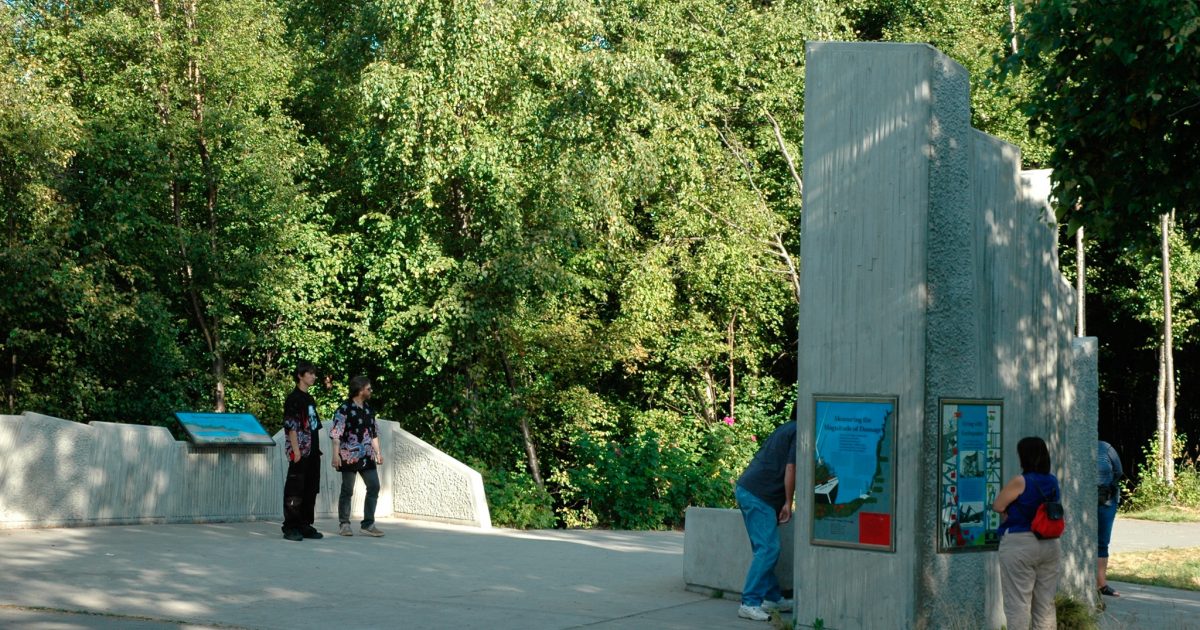
Today, visitors can still see the dramatic ground deformation and interpretive signs explaining what happened during the disaster.
2. What Makes Earthquake Park Special?
Earthquake Park is more than a memorial – it’s a blend of history, natural beauty, and outdoor adventure.
Here’s what makes it stand out:
✔ A preserved geological site
The uneven ground, deep cracks, and sunken earth show the raw power of the 1964 earthquake.
✔ Scenic coastal views
Visitors enjoy stunning views of Cook Inlet, Mount Susitna, and sometimes even Denali on clear days.
✔ Quiet nature trails
The park features miles of forested trails perfect for walking, cycling, and wildlife viewing.
✔ Cultural and educational value
Interpretive exhibits help visitors understand how the earthquake changed life in Alaska.
✔ A great spot for photographers
From sunsets to wildlife to unique terrain, Earthquake Park offers excellent photo opportunities.
3. Top Things to Do at Earthquake Park
Explore the Scenic Trails
Earthquake Park connects to Anchorage’s famous Tony Knowles Coastal Trail. The trails are wide, smooth, and ideal for walking, jogging, or biking. As you explore, you’ll find several marked displays explaining how the earthquake changed the land.
Learn from Interpretive Exhibits
The park includes informative boards with illustrations and historical facts. These displays help visitors visualise what the Turnagain Heights neighbourhood looked like before the earthquake and how the land movement destroyed it.
Enjoy Wildlife Watching
Alaska is known for its wildlife, and Earthquake Park is no exception. Visitors may spot:
- Moose grazing near the trails
- Bald eagles flying above the forest
- Small mammals like foxes and squirrels
- Seasonal birds along the coast
Always maintain a safe distance from wildlife.
Photography and Scenic Views
Photographers love Earthquake Park for its mix of forest, ocean, and mountain views. Sunset hours often paint Cook Inlet with orange and purple tones, creating magical scenery.
Cycling the Coastal Route
Cyclists enjoy smooth, well-maintained paths with plenty of stops for views and photography. The park serves as a rest point on the 11-mile (18-km) Tony Knowles Coastal Trail.
Relax and Enjoy Nature
Despite its tragic history, Earthquake Park is peaceful and quiet. Many visitors come just to breathe the fresh coastal air, sit on benches, and enjoy the serene environment.
4. Best Time to Visit Earthquake Park
Earthquake Park is open year-round, but your experience will differ by season.
Summer (Best Time to Visit)
- Long daylight hours
- Pleasant temperatures
- Lush green landscapes
- Ideal for hiking, biking, and photography
Autumn
- Beautiful fall colours
- Cooler weather
- Fewer crowds
Winter
- Snow-covered scenery
- Great for fat biking and winter photography
- Trails may be icy – wear proper gear
Spring
- Mild temperatures
- Wildlife activity picks up
- Some trails may be muddy from melting snow
5. How to Get to Earthquake Park
Earthquake Park is located just a few miles west of downtown Anchorage and is easy to reach by car or bike.
By Car
Drive west from the city along Northern Lights Boulevard. Free parking is available at the park entrance.
By Bike
Take the Tony Knowles Coastal Trail for a scenic ride directly to the park.
By Taxi or Rideshare
Uber and local taxis frequently serve the area.
6. Facilities and Visitor Information
- Free parking
- Restrooms available seasonally
- Benches and viewing areas
- Trail maps and interpretive signs
- Pet-friendly (keep pets leashed)
The park does not have food stalls, so bring water and snacks.
7. Tips for Visiting Earthquake Park
Here are a few helpful tips to improve your experience:
✔ Wear comfortable shoes
Some ground areas are uneven due to earthquake damage.
✔ Bring a camera
The scenery is worth capturing.
✔ Stay cautious around wildlife
Moose and bears occasionally wander into the park.
✔ Visit during sunset
The colours over Cook Inlet are breathtaking.
✔ Read the interpretive signs
They help you understand the significance of the site.
8. Why Earthquake Park Should Be on Your Alaska Bucket List
Earthquake Park is one of Anchorage’s most meaningful outdoor attractions. It’s not just a beautiful coastal park; it’s a living reminder of how nature shaped Alaska in a single moment. The combination of history, science, peaceful trails, and dramatic landscapes makes it a must-visit destination for tourists and locals alike.
Whether you’re a photographer, nature lover, history fan, or someone seeking a quiet escape, Earthquake Park offers something unique and unforgettable.


